Calibration is a significant system in guaranteeing the accuracy and reliability of instruments utilized in different fields, from commercial manufacturing to laboratory study. Proper instruction of devices for calibration no longer best enhances their functionality but additionally extends their lifespan, foremost to greater steady outcomes over time. In this finished manual, we’ll discover the imperative steps you need to take while preparing your tools for calibration, consisting of leading practices and ordinary pitfalls to hinder.
Understanding Calibration: A Brief Overview
What is Calibration?
Calibration is the system of changing an device to guarantee its accuracy via evaluating its measurements against a widespread common. This procedure is helping in deciding any discrepancies between the precise measurement and the predicted outcome, taking into consideration useful variations.
Why is Calibration Important?
Imagine counting on a thermometer that consistently reads five ranges too excessive! Such inaccuracies can cause very good effects in fields like healthcare, manufacturing, and environmental tracking. Regular calibration guarantees that resources give nontoxic data, that's needed for safety, compliance, and high quality insurance.
Different Types of Calibration
Mechanical Calibration: Involves precision contraptions like calipers or micrometers. Electrical Calibration: Focuses on devices equivalent to multimeters or oscilloscopes. Thermal Calibration: Pertains to temperature-touchy equipment like thermocouples. Mass Calibration: Engages balances and scales used for weighing elements.How to Prepare Your Instruments for Calibration: A Practical Guide
Preparing your devices for calibration requires a scientific mind-set. Here’s how that you could do it effortlessly:
Step 1: Gather Required Documentation
Before establishing the education task, accumulate all critical documentation associated with the tool. This might encompass:
- Manufacturer’s manual Previous calibration certificates Maintenance logs
Having this suggestions on hand will lend a hand you be mindful the different standards and history of your tool.
Step 2: Inspect Instrument Condition
Conduct a radical physical inspection of the tool formerly calibration:
- Check for any visual smash or put on. Ensure that all elements are functioning actually. Clean any grime or debris from surfaces that would have an impact on dimension accuracy.
Why is Inspection Crucial?
An uncalibrated tool with physical injury can yield misleading results post-calibration. Often, worries like misaligned formulation or broken components can skew documents particularly.
Step 3: Ensure Proper Environment
The ecosystem wherein calibration takes vicinity performs a principal role in attaining properly results. Factors such as temperature, humidity, and electromagnetic interference should always be controlled as a whole lot as viable:
Ideal Conditions Include:
- Temperature maintained inside ±1°C of well-liked conditions Humidity degrees saved lower than 60p.c Minimal vibrations or disturbances
Step 4: Prepare Measurement Standards
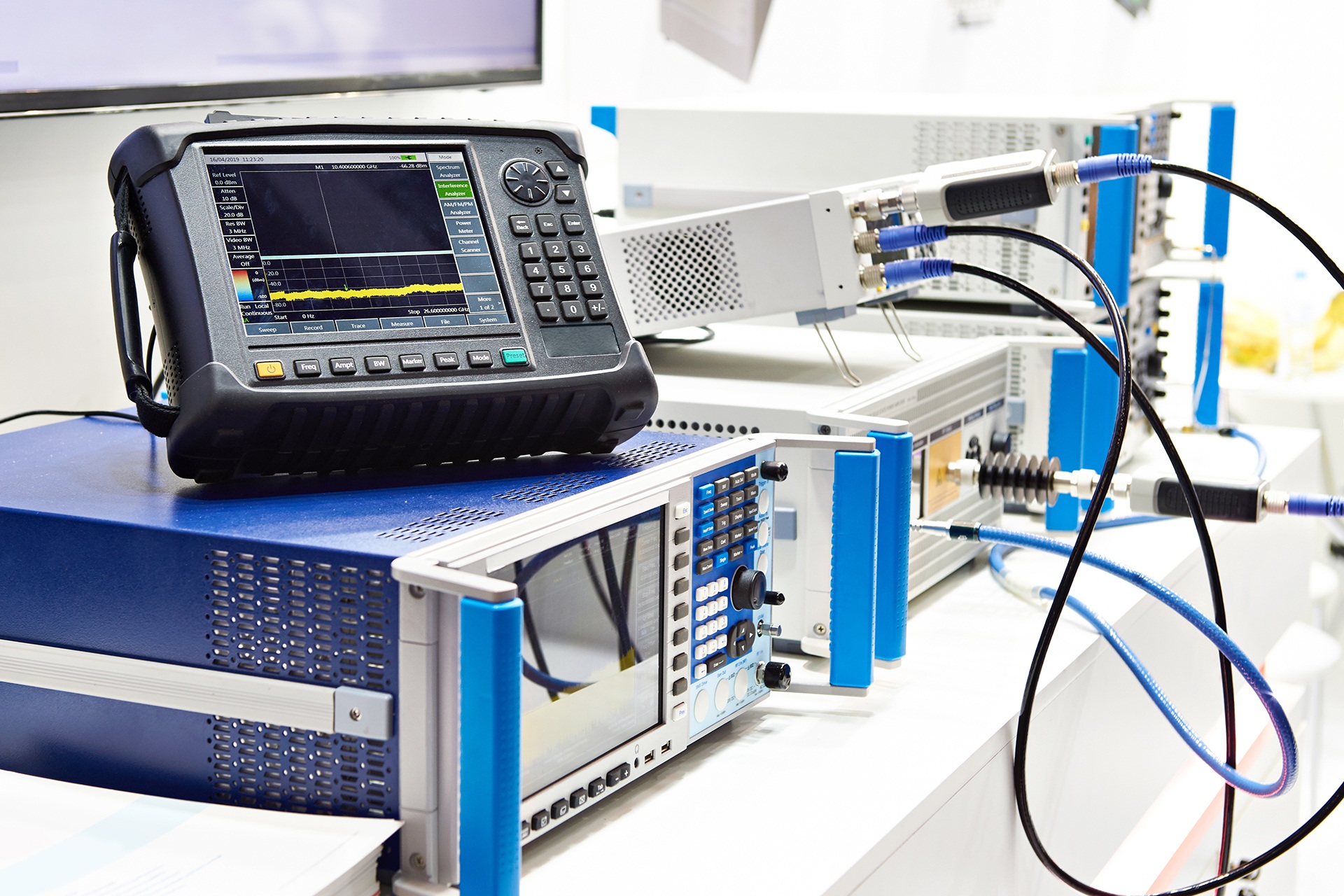
Calibration generally requires reference criteria that are traceable to nationwide or foreign measures. Ensure these necessities are out there and established beforehand intending with calibration.
Key Points About Measurement Standards
- They need to be acceptable for the wide variety being measured. Regular verification towards recognised references is mandatory.
Best Practices When Preparing Instruments for Calibration
Regular Maintenance Schedules
Establish common renovation schedules dependent on enterprise techniques or trade ideas to confirm most fulfilling functionality beforehand every calibration cycle.
Training Personnel Effectively
Ensure Calibration Company that personnel accountable for getting ready tools are well-expert in each operational processes and safety protocols linked to coping with sensitive methods.
Documentation Control Systems
Implement an effective documentation handle formulation so that each one records with regards to software history are up-to-date and effortlessly obtainable all over audits or inspections.
Common Pitfalls in Instrument Preparation for Calibration
While preparing your devices could look elementary, there are quite a few wide-spread pitfalls you need to pay attention for:
Neglecting Regular Maintenance: Skipping recurring tests can result in compounded errors over time. Inadequate Training: Untrained workforce may inadvertently mishandle apparatus most advantageous to erroneous calibrations. Ignoring Environmental Factors: Failure to regulate exterior circumstances can bring about faulty readings even with tool high-quality.FAQ Section
What Is The Frequency Of Calibration For Instruments?
The frequency largely is dependent at the style of instrument and its usage; notwithstanding, most enterprises stick with a yearly time table until distinctive differently through producers or regulatory our bodies.
Can I Calibrate My Instruments In-House?
Yes! Many companies have knowledgeable team of workers who perform in-space calibrations supplied they meet required requisites; in spite of the fact that, it’s fundamental they adhere strictly to checklist set forth by way of market norms.
What Are The Costs Associated With Instrument Calibration?
Costs fluctuate widely relying on components reminiscent of software model, calibration carrier service bills, and regardless of whether you're picking out in-dwelling as opposed to outsourced facilities.
How Do I Store Instruments After Calibration?
Once calibrated, save gadgets in easy environments away from direct sunlight or intense temperatures even though guaranteeing they're protected from bodily shocks.
Can Outdated Instruments Be Calibrated Successfully?
While outmoded units might also nonetheless be calibrated correctly if they’re useful and inside perfect limits; besides the fact that children, contemplate even if making an investment in newer expertise might be more wonderful longer term.
What Should I Do If My Instrument Fails Calibration Tests?
If an software fails calibration exams generally—even after differences—think consulting a expert technician who may perhaps perceive underlying trouble requiring repair or substitute.
Conclusion
In precis, getting ready your units for calibration is absolutely not almost about following a guidelines; that is about wisdom every element's position in making sure accuracy and reliability throughout a number of applications. By systematically analyzing your kit, maintaining best environmental circumstances, employing reputable specifications, and avoiding not unusual pitfalls outlined above—you’ll foster trustworthiness now not basically within your association yet additionally amongst buyers who place confidence in precise measurements every single day!
Remember that non-stop coaching round top practices contributes vastly closer to enhancing typical productiveness when minimizing expensive error due straight from defective readings! So cross forward—get these resources organized!
This publication offers foundational competencies which includes realistic steps so every person interested with instrumentation will suppose empowered temperature https://www.emlcalibration.com/ whilst preparing their instruments without problems prior to embarking upon valuable calibrations!